Unlocking the Ultimate Guide to Residential Property in Singapore
Are you considering stepping into the vibrant world of residential property investment in Singapore? Look no further! Our comprehensive guide is here to unveil the key insights, strategies, and must-know facts about navigating the thriving residential property market in this dynamic city-state. From uncovering the latest market trends to discovering the best areas to invest in, we have you covered every step of the way. Join us on a journey that delves into understanding Singapore's residential property landscape, equips you with essential tips to make informed investment decisions, and sheds light on the legal aspects and regulations you need to be aware of. Whether you're a seasoned investor looking to expand your portfolio or a first-time buyer dipping your toes into the market, this guide is your ultimate companion to unlocking the potential of residential property in Singapore
Understanding the Residential Property Market Trends in Singapore
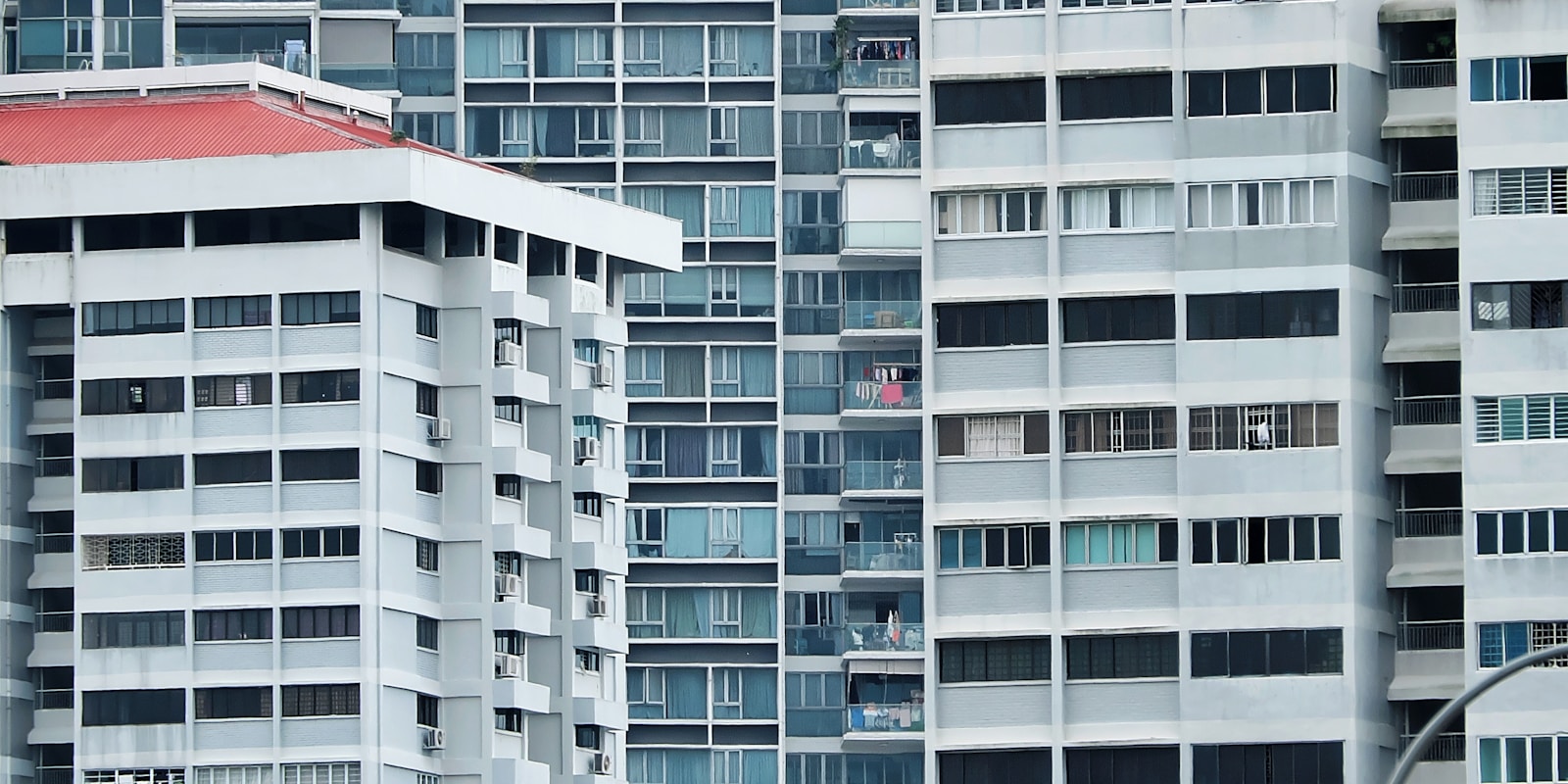
When it comes to the residential property market in Singapore, keeping an eye on the trends is crucial for investors and homeowners alike. The property market in Singapore is known for its stability and attractiveness to investors from around the world. Understanding the current trends can provide valuable insights into making informed decisions regarding property purchases, investments, or even rental strategies. One notable trend in the Singapore residential property market is the growing popularity of integrated developments. These developments combine residential units with amenities such as retail spaces, offices, and transportation hubs, offering residents a convenient and well-connected lifestyle. Such integrated developments have been well-received by buyers looking for a holistic living experience. Another trend to watch is the rise of sustainable and green buildings in Singapore. With an increasing focus on environmental consciousness, developers are incorporating eco-friendly features into residential projects. From energy-efficient appliances to green spaces within developments, these sustainable initiatives are shaping the future of residential properties in Singapore. Furthermore, the shift towards smart homes is transforming the residential property landscape in Singapore. Home automation technology is being integrated into new developments, offering residents greater convenience, security, and energy efficiency. The demand for smart homes is expected to continue rising as more buyers seek tech-savvy living spaces. In addition to these trends, factors such as government policies, economic conditions, and global market influences play a significant role in shaping the residential property market in Singapore. By staying informed about market trends and developments, stakeholders can better navigate the dynamic landscape of Singapore's residential property sector
Essential Tips for Investing in Residential Property in Singapore
When it comes to investing in residential property in Singapore, there are essential tips that can help you navigate through the process successfully. Singapore's real estate market is known for its stability, attractive rental yields, and strong capital appreciation potential, making it a desirable choice for both local and international investors. 1. Understand the Market Trends: Before diving into any investment, it is crucial to understand the current market trends in Singapore. Keep an eye on factors such as supply and demand dynamics, government regulations, interest rates, and economic conditions that can influence property prices. 2. Location is Key: Singapore is a small island with diverse neighborhoods, each offering unique attractions and amenities. Whether you are looking for a property for rental income or capital appreciation, choosing the right location is vital. Proximity to schools, public transportation, shopping malls, and business districts can greatly impact the desirability and value of your investment. 3. Set Clear Investment Goals: Define your investment objectives clearly before purchasing a residential property in Singapore. Are you looking for steady rental income, long-term capital appreciation, or a combination of both? Having a clear strategy will help you narrow down your options and make informed decisions. 4. Financial Planning: Investing in residential property requires careful financial planning. Consider factors such as your budget, financing options, additional costs (such as stamp duties and taxes), rental potential, and potential returns on investment. It is essential to have a financial buffer for unexpected expenses and market fluctuations. 5. Due Diligence and Professional Advice: Before committing to any property purchase, conduct thorough due diligence. This includes researching the developer's reputation, understanding the maintenance fees and regulations of the property, and conducting a detailed inspection of the unit. Seeking advice from real estate professionals, property analysts, and financial advisors can also provide valuable insights and guidance. 6. Long-Term Sustainability: Singapore's residential property market is influenced by various external factors, including global economic trends and local government policies. Consider the long-term sustainability of your investment and how it aligns with your financial goals and risk appetite. Diversification and staying informed about market developments are key strategies for long-term success. By incorporating these essential tips into your investment strategy, you can unlock the full potential of residential property in Singapore and make informed decisions that align with your financial objectives. Remember that investing in real estate requires patience, research, and a long-term outlook for sustainable returns
Exploring the Best Residential Areas in Singapore
When it comes to residential properties in Singapore, there are several standout neighborhoods that cater to diverse preferences and lifestyles. Whether you are looking for vibrant city living, serene waterfront views, or family-friendly environments, Singapore offers a plethora of choices. One of the most sought-after residential areas in Singapore is Orchard Road, known for its upscale living and proximity to high-end shopping malls, restaurants, and entertainment options. On the other hand, for those seeking a more tranquil setting, Sentosa Cove provides luxurious waterfront living with stunning views of the ocean. Families often opt for areas like Holland Village or Bukit Timah, known for their reputable schools, lush greenery, and spacious homes. These neighborhoods offer a perfect blend of convenience and comfort for families looking to settle down. If you prefer a more cosmopolitan vibe, districts like Tanjong Pagar and Tiong Bahru provide a mix of heritage charm and modern amenities. These areas are popular among young professionals and expats looking to experience the vibrant urban lifestyle that Singapore has to offer. Ultimately, the best residential area for you in Singapore will depend on your personal preferences, budget, and lifestyle. By exploring the various neighborhoods and understanding what each has to offer, you can find the perfect place to call home in this vibrant city-state
Legal Aspects and Regulations of Owning Residential Property in Singapore
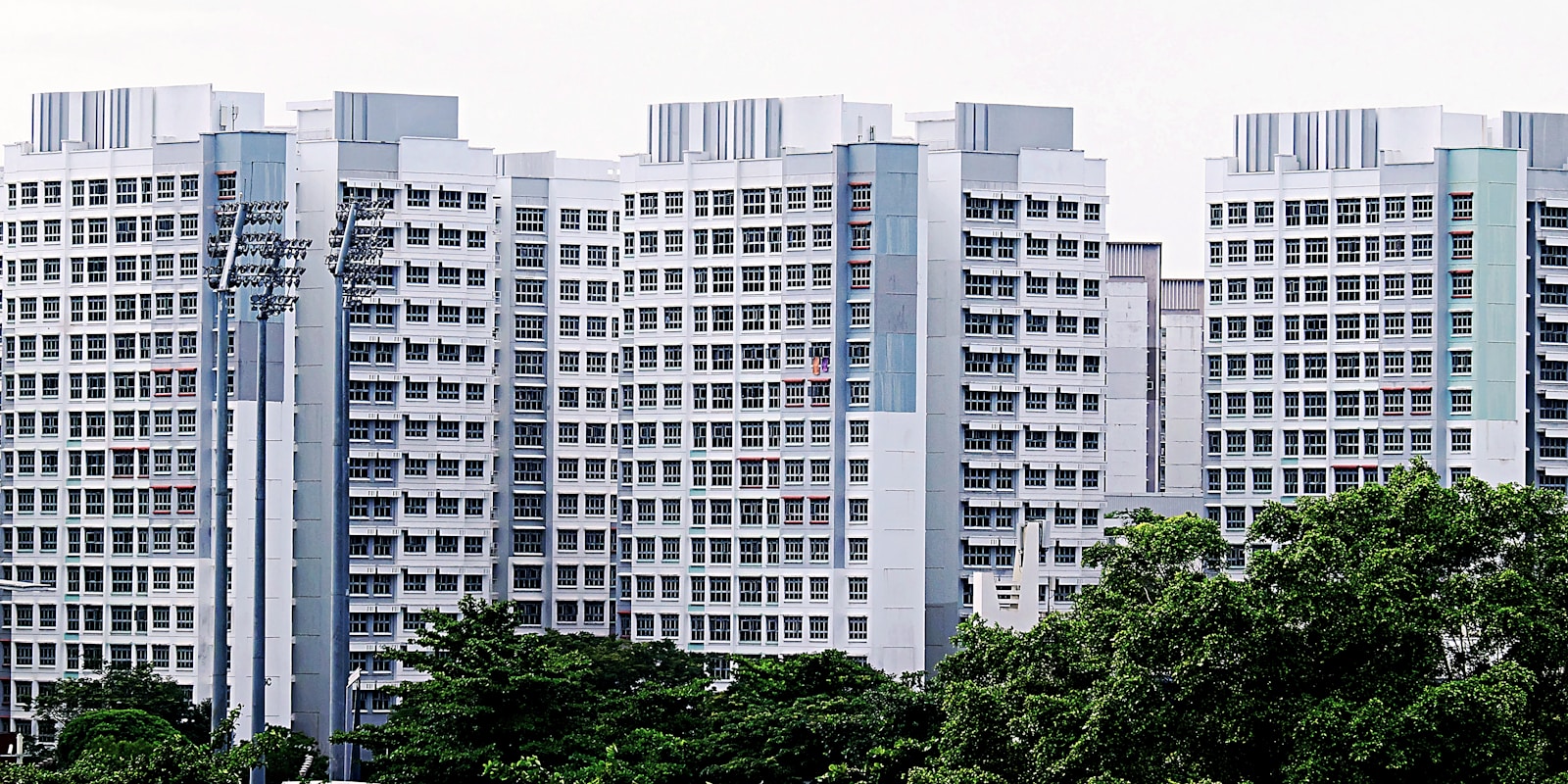
Singapore has strict legal aspects and regulations surrounding the ownership of residential properties in the country. Whether you are a local resident or a foreign investor, understanding these laws is crucial when navigating the real estate market in Singapore. One key regulation to consider is the ownership restrictions imposed on foreign buyers. For instance, non-Singaporean citizens are not allowed to purchase certain types of residential properties like HDB flats, which are primarily meant for local residents. Foreigners looking to invest in private residential properties must also adhere to guidelines set by the government, such as obtaining approval from the Singapore Land Authority and facing additional stamp duties. Additionally, local residents who own HDB flats need to comply with regulations regarding the minimum occupancy period before they can sell or rent out their units. This rule is in place to ensure that public housing remains affordable and accessible to Singaporean citizens. Another important aspect to consider is the maintenance of residential properties. Singapore has strict guidelines on property maintenance to preserve the overall aesthetic appeal and integrity of housing estates. Property owners are required to adhere to regulations set by governing bodies to ensure that their properties meet certain standards. Moreover, when it comes to financing residential properties, buyers need to familiarize themselves with the regulations surrounding housing loans and mortgage restrictions in Singapore. Understanding the loan-to-value limits, repayment schemes, and interest rates can help buyers make informed decisions when purchasing property. In conclusion, the legal aspects and regulations of owning residential property in Singapore are essential considerations for both local residents and foreign investors. By staying informed and complying with the established guidelines, property owners can navigate the real estate landscape in Singapore effectively and protect their investments for the long term
Maximizing ROI: Strategies for Managing Residential Property in Singapore
Singapore's residential property market is known for its strong potential for generating returns on investment. To maximize ROI in this competitive landscape, it is crucial to implement effective strategies for managing residential properties. Whether you are a seasoned investor or a first-time buyer, understanding key tactics can help you make informed decisions and boost the profitability of your property portfolio. One essential strategy for managing residential properties in Singapore is thorough research and due diligence before making any investment decisions. This includes studying market trends, analyzing property prices in different neighborhoods, and assessing potential rental yields. By staying informed about the local real estate market, you can make strategic choices that align with your investment goals and maximize your returns over time. Another critical aspect of managing residential properties in Singapore is maintaining the condition of your assets. Regular property maintenance, timely repairs, and upgrades can not only enhance the value of your property but also attract higher rental rates from tenants. By investing in the upkeep of your residential units, you can increase their appeal in the competitive rental market and secure sustainable returns on your investment. In addition to property maintenance, effective tenant management is key to optimizing ROI in the residential property sector. Building positive relationships with tenants, addressing their concerns promptly, and ensuring a smooth rental process can help reduce vacancy rates and turnover costs. By fostering a good landlord-tenant relationship, you can enhance tenant satisfaction, encourage longer lease durations, and ultimately improve the financial performance of your residential property investments. Moreover, exploring strategic financing options can also play a crucial role in maximizing ROI when managing residential properties in Singapore. From competitive mortgage rates to alternative funding sources, leveraging financial tools intelligently can help you optimize cash flow, lower costs, and increase your overall profitability in the real estate market. By working closely with financial experts and exploring various financing strategies, you can make informed decisions that align with your investment objectives and enhance your returns over time. In conclusion, effective management strategies are essential for maximizing ROI in the residential property sector in Singapore. By conducting thorough research, maintaining your properties diligently, fostering positive tenant relationships, and exploring strategic financing options, you can build a successful property portfolio that generates sustainable returns and long-term value. With a proactive approach to property management and a focus on optimizing profitability, you can unlock the full potential of residential real estate investments in Singapore
Conclusion
In conclusion, this comprehensive guide has provided valuable insights into the residential property landscape in Singapore. From exploring key market trends to identifying prime investment opportunities, we have equipped investors with essential tips to make informed decisions. Understanding the legal aspects and regulations governing residential property ownership is crucial for navigating the dynamic market successfully. Whether you are a seasoned investor or a first-time buyer, this guide serves as your ultimate companion to unlocking the potential of residential property in Singapore. Stay informed, stay proactive, and let the vibrant world of residential property in Singapore work in your favor